
Indian art is not merely a collection of aesthetic objects; it is a profound expression of life, spirituality, and the cosmos. Spanning thousands of years, the artistic heritage of the Indian subcontinent is a tapestry woven with diverse threads of religion, culture, and philosophical thought. For collectors and art enthusiasts alike, understanding Indian art requires delving into the soul of a civilization where every stroke and chisel mark holds a deeper meaning.
Unlike the Western focus on realism and individual expression in certain eras, traditional Indian art has primarily been a vehicle for religious devotion and spiritual storytelling. Whether Hindu, Buddhist, or Jain, the art serves as a bridge between the mortal and the divine.
The visual representation of deities is not just decorative but functional. It aids the devotee in meditation (Dhyana). This is why iconography in Indian art follows strict canonical rules (Shilpa Shastras), ensuring that the proportions and symbols convey specific cosmic truths.
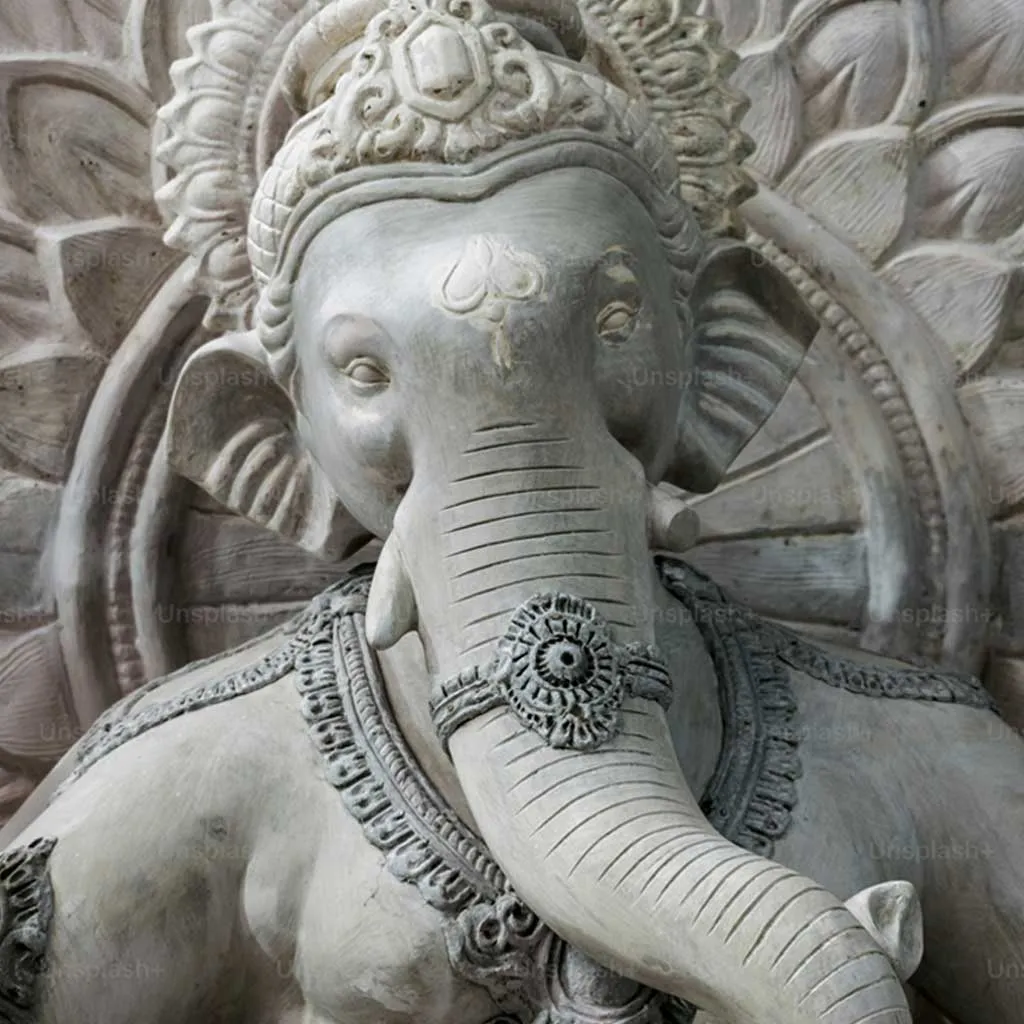
As seen in the majestic depiction of Lord Ganesha—the remover of obstacles—Indian sculpture is renowned for its ability to turn rigid stone into fluid, breathing forms. From the sandstone carvings of Mathura to the dynamic bronze statues of the Chola dynasty, Indian sculptors mastered the art of capturing movement and grace.
While sculpture dominated the religious landscape, Indian painting carved its own niche, evolving from the grand murals of Ajanta to the delicate miniatures of the medieval courts.
Mughal and Rajput Miniatures represent a high point in Indian painting. These works are characterized by:
Today, Indian art is witnessing a renaissance. Modern Indian artists are reinterpreting traditional motifs through contemporary mediums, creating a dialogue between the ancient past and the globalized present. For the discerning collector, Indian art offers an unparalleled depth of history and emotion, making it a timeless addition to any collection.